Synopsis: A young girl from Uganda trains to become a world chess champion.
Initial thoughts:
Disney.True story. Academy Award winners. High rating on Rotton Tomatoes. I’m in. Disney is consistently good at tugging on my heartstrings, especially when it comes to themes of overcoming adversity and family.
Storyline/Development:Â
In hindsight, there shouldn’t be any expectations for anything creative with the story development. Young girl stands out as special, shows promise, encounters resistance, gains friends and momentum, bigger setbacks, faces root problems, breakthrough, climax, then happiness and rainbows.
While I wasn’t expecting to be impressed with any unique plot twists, I knew that Disney would be masterful at executing the five acts: exposition, rising action, climax, falling action, and resolution. This was no different.
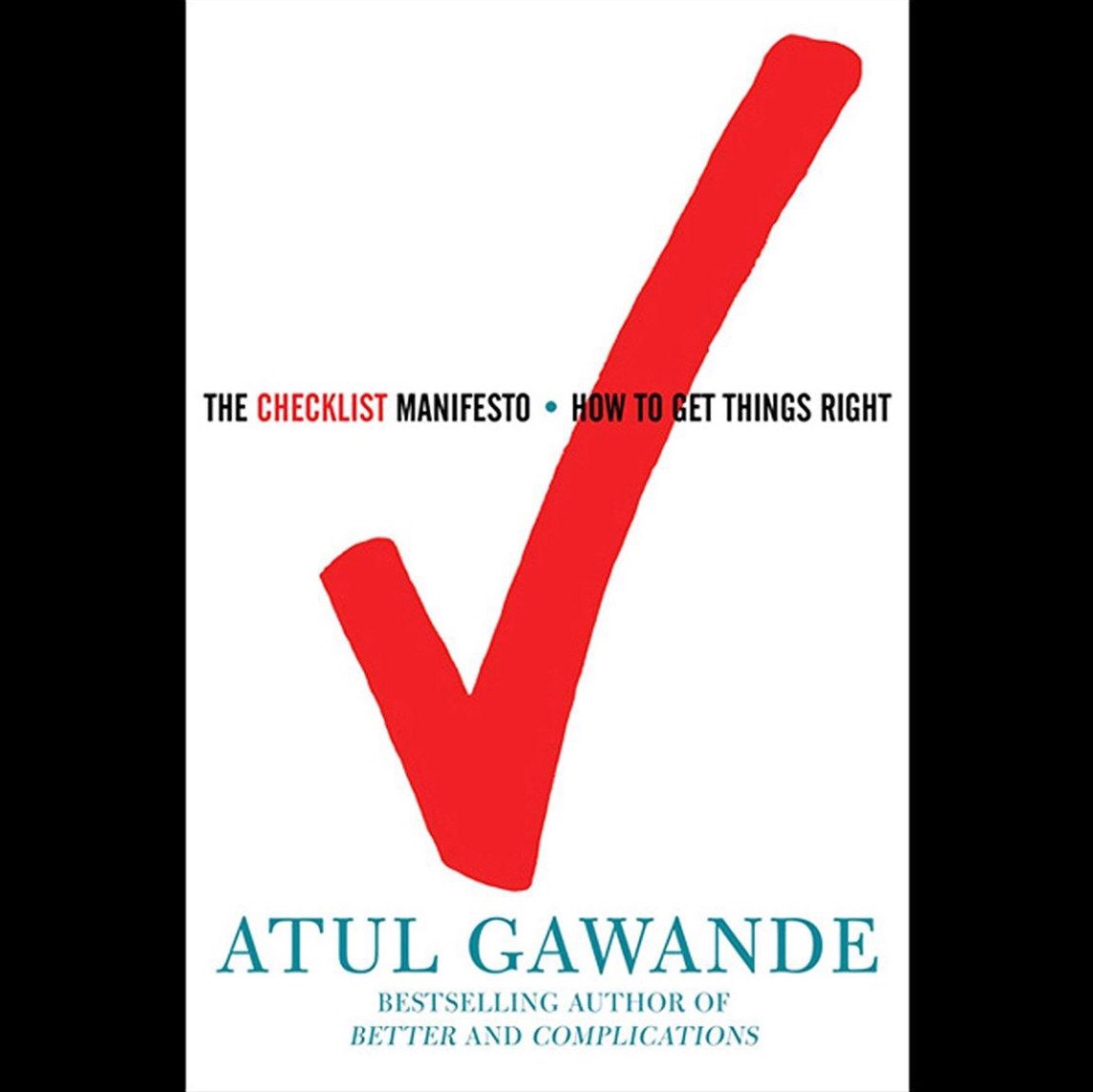
Synopsis: We live in a world of great and increasing complexity, where even the most expert professionals struggle to master the tasks they face. Longer training, ever more advanced technologiesâ and neither seems to prevent grievous errors. But in a hopeful turn, acclaimed surgeon and writer Atul Gawande finds a remedy in the humblest and simplest of techniques: the checklist. Even in the immensely complex world of surgery, a simple ninety-second variant has cut the rate of fatalities by more than a third.
In riveting stories, Gawande explains how checklists actually work to prompt striking and immediate improvements. And he follows the checklist revolution into fields well beyond medicine, from homeland security to investment banking, skyscraper construction, and businesses of all kinds.
Initial thoughts:
I put this book on my Audible wish-list primarily because I heard Ramit Sethi, author of I Will Teach You To Be Rich, recommend the book on a podcast with Tim Ferriss, author of The Four Hour Workweek. I follow and look up to both of them, so it was one of those easy decisions to read.
While the title and main idea seems pretty straightforward, I figured if these two authors recommended it, I knew it would have more nuggets than its face value.
To be honest, the main reason I went to go watch this movie was because of the ridiculously high ratings it received on Rotten Tomatoes. I don’t think I heard or saw any advertising about this movie outside of an email newsletter from Univsersal Studios promoting some screening event of the movie. My girlfriend also wanted to see it because she loves animated and epic movies like this. đ
Aesthetics:
Hands down, this movie is a visual masterpiece. Absolutely loved the animation and visual storytelling. It was such a magical journey from start to finish, from the origami street show that Kubo put on, until the final fight scene with the Moon King.
On Jan. 15, 2009, Capt. Chesley “Sully” Sullenberger (Tom Hanks) tries to make an emergency landing in New York’s Hudson River after US Airways Flight 1549 strikes a flock of geese. Miraculously, all of the 155 passengers and crew survive the harrowing ordeal, and Sullenberger becomes a national hero in the eyes of the public and the media. Despite the accolades, the famed pilot now faces an investigation that threatens to destroy his career and reputation.
Initial thoughts:
I’ve watched hundreds of movies and consider myself an avid movie-goer. So when I saw the movie poster, Tom Hanks, Clint Eastwood, saw it was a true story, and its high rating on Rotten Tomatoes, my instincts were telling me it was going to be awesome. There was no question about whether or not I was going to watch this đ
Storyline:
I enjoyed how the movie didn’t go in chronological order. Instead, it was broken up into five parts:
Post-crash: the day after and the beginning of the investigation
1st half of incident: take off up until crash
Continued story and investigation
2nd half of incident: crash and rescue
Continued story, the final public hearing, and the revisit of the flight audio recording
Synopsis: In September 2014, a Chinese company that most Americans had never heard of held the largest IPO in history – bigger than Google, Facebook, and Twitter combined. Alibaba, now the world’s largest ecommerce company, mostly escaped Western notice for over 10 years, while building a customer base larger than Amazon’s and handling the bulk of ecommerce transactions in China. How did it happen? And what was it like to be along for such a revolutionary ride?
In Alibaba’s World, author Porter Erisman, one of Alibaba’s first Western employees and its head of international marketing from 2000 to 2008, shows how Jack Ma, a Chinese schoolteacher who twice failed his college entrance exams, rose from obscurity to found Alibaba and lead it from struggling startup to the world’s most dominant ecommerce player. And he analyzesAlibaba’s role as a harbinger of the new global business landscape – with its focus on the East rather than the West, emerging markets over developed ones, and the nimble entrepreneur over the industry titan. As we face this near future, the story of Alibaba – and its inevitable descendants – is both essential and instructive.
Initial thoughts:
Just like when I purchased The Automatic Customer during the Audible BOGO sale, this was the only other book in the list that caught my eye. I was largely ignorant to what Alibaba was exactly, but I knew its founder Jack Ma was one of the wealthiest men on the planet and had a reputation for being a business Titan.
I figured this would be a great opportunity to educate myself on one of the most influential companies in history. I figured I would learn a lot just like when I read Age of Amazon, the story of Jeff Bezos and his company.
Synopsis: Translated into over 50 languages, The Purpose Driven Life is far more than just a book; it is a guide to a spiritual journey that has transformed millions of lives. Once you take this journey, you’ll never be the same again.
On your journey you’ll find the answers to 3 of life’s most important questions: The Question of Existence: Why am I alive? The Question of Significance: Does my life matter? The Question of Purpose: What on earth am I here for?
Initial thoughts:
Pastor Rick is actually my pastor! I go to Saddleback Irvine South, which is one of his church’s several campuses in Southern California (though there are some outside the country).
I’ve heard him and other pastors mention this book on different occasions. My roommate even told me that my pastor (before I knew) was a well-known pastor and has one of the biggest congregations in the country! I had no idea that my pastor was such an influential and successful person.
He’s also claimed to have read tens of thousands of books over the course of his life, which is apparent as he comes across as a very learned and intellectual, as well as compassionate, person. Needless to say, I’ve felt compelled to read his book for a while now.
A couple weeks ago, pastor Rick actually told an anecdote about how this book helped Olympic swimmer Michael Phelps get out of depression and get out of retirement and back to training for the most recent Olympics.
Although I am a Christian and I imagine I will get a ton of value for myself (mentally, emotionally, and spiritually) out of this read, I’m also determined to draw some of the key nuggets that can add value to anyone else no matter what their beliefs are.
Synopsis (via Amazon): The lifeblood of your business is repeat customers. But customers can be fickle, markets shift, and competitors are ruthless. So how do you ensure a steady flow of repeat business? The secretâno matter what industry youâre inâis finding and keeping automatic customers.
According to John Warrillow, this emerging subscription economy offers huge opportunities to companies that know how to turn customers into subscribers. Automatic customers are the key to increasing cash flow, igniting growth, and boosting the value of your company.
Initial thoughts:
A couple weeks ago, Aduible was having a BOGO sale so I thought I would take advantage of it with my credits. I picked up this book (along with Alibaba’s World) mainly because it looked like the most interesting and relevant business book đ
Regardless, the book had good reviews and it seemed like I would get some value out of it. As a budding entrepreneur, I feel like I need to absorb as much as I can so I can utilize effective principles in my own businesses.