

Personal Reflection · May 2026
Hello friends, followers, and various people on the internet 👋
So this is a different kind of post. It’s personal in a way that even my yearly reviews haven’t quite been. And honestly, I wasn’t sure I was going to publish it. But I think the process I went through over the past couple of days was genuinely valuable — both for me and potentially for anyone else who’s been using AI tools and wondering how deep you can actually take them. So here we are.
Fair warning: this is long. There’s a table of contents below. Feel free to skip to whatever section interests you most. 😅
Table of Contents
- How It Started: The AI Prompt Rabbit Hole
- Part 1: Shadow Work & Hard Truths About Myself
- Part 2: Processing a Specific Life Experience
- Part 3: My Dance Family — A Profile on Each of My Daughters
- Closing Thoughts on the Process
How It Started: The AI Prompt Rabbit Hole
A few weeks ago, I came across a prompt someone shared online for Claude (the AI by Anthropic) that essentially walks you through a 100-question personality profile interview. The idea is that Claude asks you one question at a time, builds a picture of who you are, and at the end synthesizes everything into a comprehensive profile based on your answers. I tried it. It was genuinely one of the more interesting and clarifying experiences I’ve had in a while — the self-reflection alone was worth it, and the output was surprisingly accurate and insightful.
That sent me down a rabbit hole. 🐇
I started looking for other prompts that used a similar interview format but went deeper — specifically into areas like shadow work, blind spots, and uncomfortable truths about yourself. The kind of reflection that’s harder to do alone because you tend to rationalize your way around the difficult parts. Here are a few of the prompts I found that I ended up adapting:
“Shadow Self” & “Hard Truths” — Prompt the AI to identify your repressed emotions, question your perspectives, and uncover emotional patterns you disguise as logic.
Uncomfortable Truth & Value Assessment — Ask the AI to point out hidden, unique aspects of your personality without sugarcoating, and list your core values based on your conversations.
Narrative Analysis — Ask: “What is the overarching narrative I put out into the world? What is the deeper, more uncomfortable truth beneath that story?”
I liked these because they weren’t just about generating content — they were about using the AI as a kind of structured mirror. A tool for organizing thoughts I’d already been having, not a replacement for doing the actual work.
So I took the format — podcast interview style, one question at a time, probing follow-ups, culminating in a synthesized output — and ran with it across three different areas of my life. I’ll walk you through each one below, including the actual prompts I used, so you can try them yourself.
Part 1: Shadow Work & Hard Truths About Myself
I’m not going to share the full output of this one publicly — at least not yet. It gets into some things that are genuinely personal, and some of it is still being processed. But I will say: it was more revealing than I expected, and the process of being asked follow-up questions by something that had no stake in my ego was refreshing.
The format worked like a therapist session — warm but probing.
Four phases: how I present myself to the world, what I do under pressure vs. what I believe, patterns and repressed emotions, and finally, the narrative I’m telling myself vs. the uncomfortable truth underneath it.
The synthesis at the end named some patterns I’d been circling around for years without fully articulating.
What I will say is this: if you’ve read Terrence Real’s I Don’t Want to Talk About It or anything related to how men are socialized to relate to worth, achievement, and vulnerability — a lot of what came up in my session connected directly to those themes. I’m still sitting with some of it. That’s probably the point.
Try It Yourself — Shadow Work Prompt
The Prompt to Start With:
I’d like to do a deep self-reflection exercise in a podcast interview style. Ask me one question at a time, wait for my response, then ask thoughtful follow-up questions before moving on. Your tone should be warm but probing — like a therapist who genuinely cares but isn’t afraid to push.
Move through four phases:
1. The Surface Story — how I present myself to the world
2. Values Under Pressure — what I actually do vs. what I say I believe
3. Shadow & Pattern Work — repressed emotions, recurring themes, blind spots
4. The Uncomfortable Mirror — the narrative I tell myself vs. the deeper truth beneath it
At the end, synthesize everything into a full portrait: my emotional patterns, blind spots, the gap between my story and the truth. Be diplomatically honest — truth with care, not sugarcoating, but not brutal either.
Start with your first question when I say ready.
Tips for Getting the Most Out of It
Answer honestly, not how you think you should answer. Vague answers will get gentle follow-ups — lean into those rather than deflecting. The most valuable insights usually come from the second or third follow-up on a single question, not the first answer you give. Give yourself at least 45-60 minutes uninterrupted for this one. It goes deeper than you expect.
Optional Add-On: Narrative Analysis
After the interview is complete, also answer this: “What is the overarching narrative I put out into the world? And what is the deeper, more uncomfortable truth beneath that story?” Include this in the final synthesis.
Part 2: Processing a Specific Life Experience
After the shadow work session, I used the same interview format to process something more specific: my experience leaving a community I’d been part of for 7.5 years. I’ve been on Koreos — a K-pop cover dance team at UCLA — since 2019, and I’m now in my final few weeks. It’s been a complicated year, and I’ve been struggling to articulate exactly why it’s hitting as hard as it is.
The interview helped me identify what I was actually grieving (which turned out to be three distinct things, not one), why the emotional detachment I’d been experiencing was a rational response rather than indifference, and what the connection was between this experience and older wounds I’d been carrying. That last part surprised me the most.
Again, keeping the full output private for now. But the format below is designed to be adapted to whatever significant life experience you’re trying to process — a relationship ending, a career transition, leaving a community, a loss. The principle is the same regardless of the specifics.
Try It Yourself — Processing a Life Experience
The Prompt to Start With:
I want to process and reflect on a significant experience or chapter of my life that I’m either in the middle of or just coming out of. I’ll describe it briefly, and then I’d like you to interview me about it — one question at a time, podcast style, with warm but probing follow-ups.
The goal is to help me:
- Understand what I’m actually feeling (not just what I think I’m feeling)
- Identify what I’m grieving or processing, and why
- See any patterns or connections to older experiences I might be missing
- Get clarity on what this chapter has meant to me
At the end, synthesize everything into a journal-style entry written in my own voice — first person, as if I’m writing to myself. Make it honest, not sanitized.
Here’s the experience I want to process: [describe it here in a few sentences]
Start with your first question when I’m ready.
Tips for Getting the Most Out of It
Give it enough context upfront to ask good questions, but don’t over-explain — let the interview draw out the details. Be willing to sit with the harder questions rather than answering quickly. The journal-style synthesis at the end is most useful when you ask it to write in your voice specifically — share a sample of your writing if you want it to sound like you.
Optional Add-On: Letter Draft
After the synthesis, also draft a letter I could send to the people most involved in this experience — honest, loving, and written in my voice. Base it on everything I’ve shared in this interview.
Part 3: My Dance Family — A Profile on Each of My Daughters
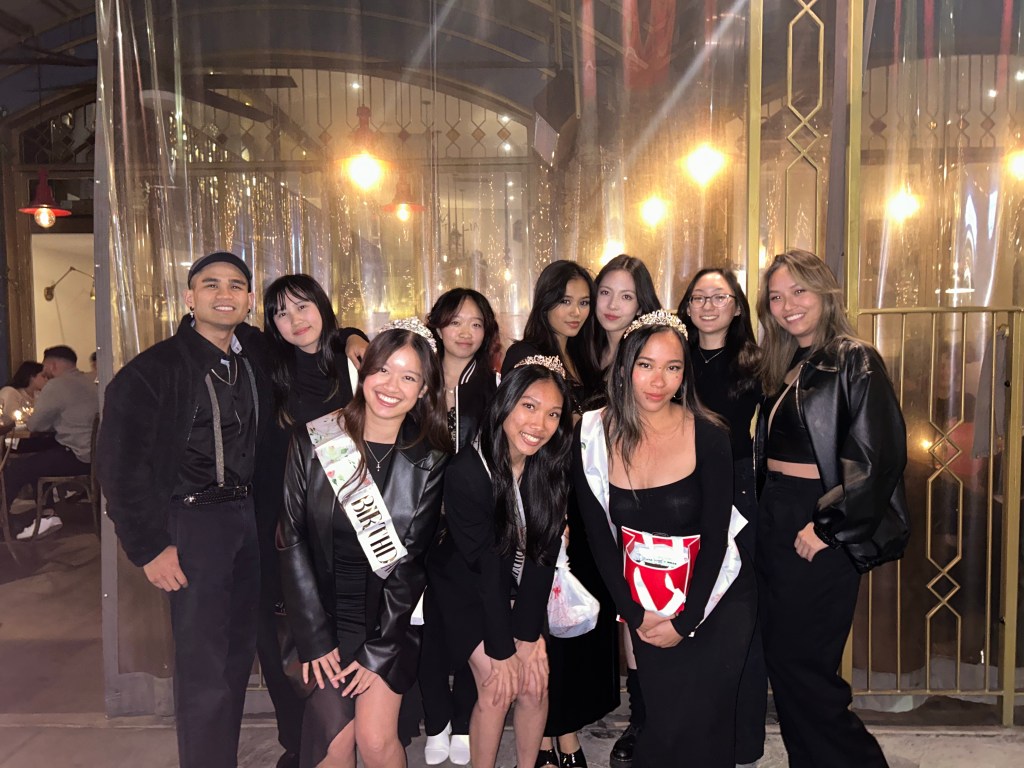

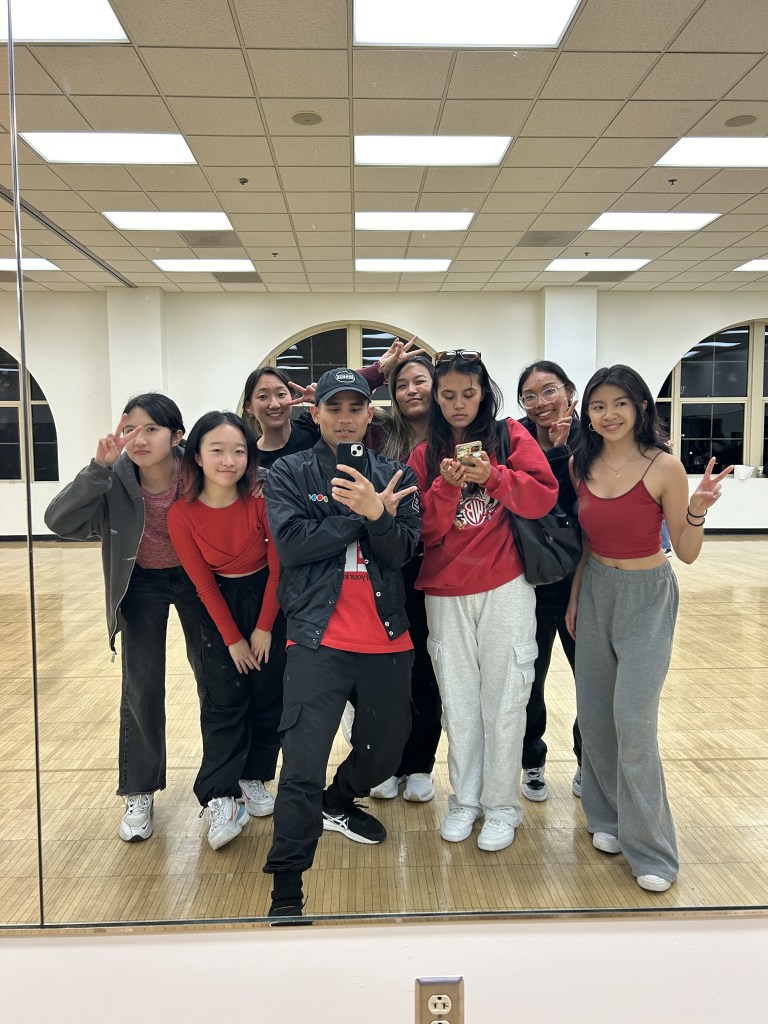

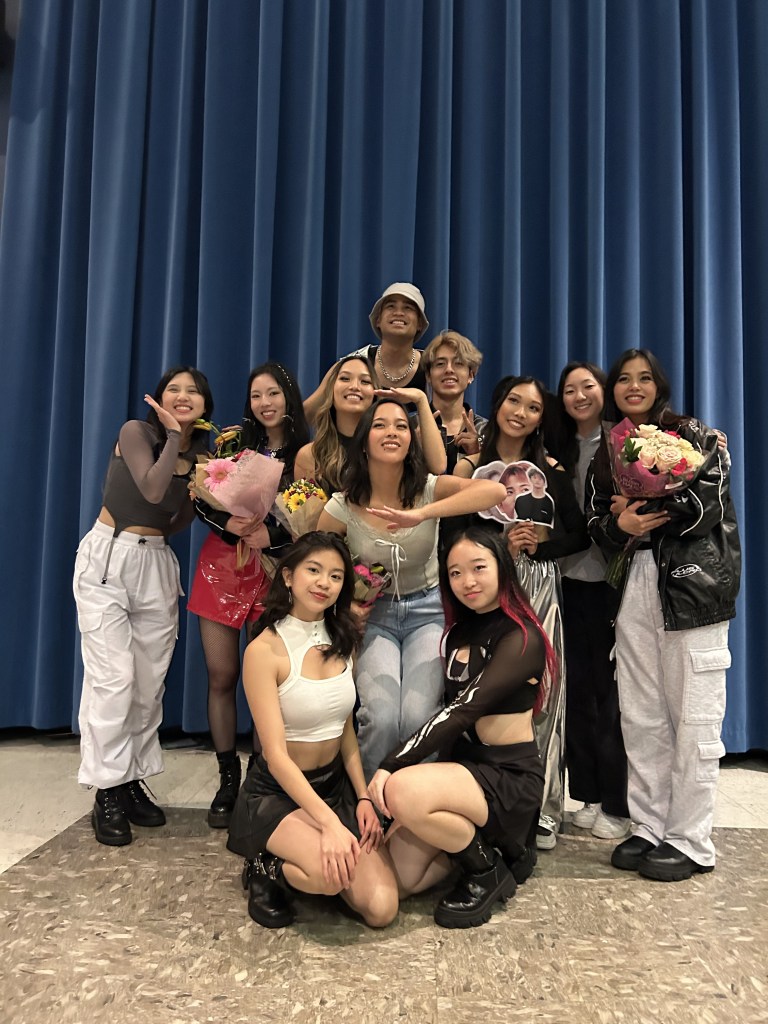
This is the part I’m most excited to share, and also the most personal. 💙
One of the best things about my time on Koreos has been the Big/Little family system — a tradition where senior members become “Bigs” to incoming members, creating a family tree that spans generations of the team. Over 7.5 years, I’ve built a family I’m genuinely proud of. My daughters (direct littles, grand littles, great-grand littles, and now 2G and 3G-grand littles) are some of the most important people in my life. As this chapter closes, I wanted to create something that honors each of those relationships specifically.
So I spent almost two full days going through this interview process with Claude — one daughter at a time — talking through who each person is, how we met, what our relationship has been like, the pivotal moments, the hard parts, and what I hope for them. At the end of each interview, the AI synthesized everything into a first-person profile written in my voice, as if I were writing in my journal.
Try It Yourself — Relationship Profile Prompt
The Prompt to Start With:
I want to create a personal profile for someone important in my life — capturing who they are to me, how our relationship developed, the key moments that defined it, the complicated parts, and what they mean to me now. I’ll answer your questions one at a time.
Interview me about this person in a warm, thoughtful way. Ask about:
- Who they are as a person (not just facts — how I actually see them)
- How we met and what drew me to them
- What the relationship was like at its best
- Any pivotal moments — highlights, turning points, things that changed things between us
- The harder parts — where it’s been complicated, where they’ve let me down or I’ve let them down
- Where things stand now
- What I hope for them
At the end, synthesize everything into a first-person profile written in my voice — like a journal entry about this person. Honest, specific, and landing with love even when it acknowledges the hard parts.
The person I want to start with is: [name and a brief description of who they are to you]
Tips for Getting the Most Out of It
The more specific you are, the better the output. Generic answers produce generic profiles. The most valuable questions are usually the ones about pivotal moments — specific memories, conversations, or turning points. Don’t skip those even if they’re hard to answer. If you want the synthesis to sound like you, share a link to something you’ve written (a blog post, a journal entry, anything with your natural voice) and ask Claude to read it first before writing the profile.
For Multiple People
I want to do this for several people in my life — [list them]. Let’s go one at a time, full interview each. When we finish one person’s profile, pause and ask me who I want to go to next. Keep each profile as a separate artifact/document so I can reference them individually.
Closing Thoughts on the Process
So — what did I actually get out of two days of this? 🤔
A few things worth noting, both for my own record and for anyone who wants to try something similar:
1. The interview format forces specificity. It’s easy to think you know how you feel about something until someone (or something) asks you, “But why?” five times in a row. The follow-up questions consistently pushed me past my first, rationalized answer and into something more honest. I have a tendency to intellectualize difficult feelings before I actually feel them — and the structured format made that pattern visible in real time.
2. The synthesis is only as good as your honesty. The outputs were useful because I didn’t perform. I answered as directly as I could, including the parts that were unflattering or unresolved. If you go into this trying to look good, you’ll get a very nice-sounding but ultimately shallow output. The value is in the uncomfortable answers.
3. It’s a tool for organizing thoughts you already have, not a replacement for doing the work. Everything that came out of these sessions was something I’d been circling around on my own — sometimes for years. The AI didn’t tell me anything I didn’t already know on some level. What it did was help me name it clearly, put it in order, and see it as a whole picture instead of scattered fragments. That’s genuinely useful.
4. The daughter profiles were the most valuable part. Not because the outputs were the most “impressive,” but because the process of going through each relationship one at a time — articulating it out loud, being asked what I love, what hurt, what pivotal moments I remember — helped me see each of these people more clearly and more fairly than I’d been able to on my own. I left each one feeling more grateful, more at peace, and more certain of what these relationships have meant to me.
5. Share your writing voice if you want the output to sound like you. For the daughter profiles specifically, I shared links to my yearly blog posts so Claude could read how I actually write before drafting the synthesis. The difference between a generic AI output and something that actually sounds like you is whether you give it enough of your own voice to work with.
If you try any of these prompts, I’d genuinely love to hear what comes up for you. You can reach me through the contact page or drop a comment below. 🙂
As always, written mainly for my own records, shared in case it’s useful or interesting to anyone else. Thanks for reading this far. You’re a real one. 💙
— J.R. · May 2026
Discover more from Marlo Yonocruz
Subscribe to get the latest posts sent to your email.

One thought on “What Happens When You Let AI Interview You for Two Days”